A decade ago, becoming famous usually required the support of powerful institutions.
Film studios created movie stars. Record labels produced music icons. Television networks introduced personalities to global audiences.
Access to these industries was limited. Only a small number of people could enter them, and success often depended on connections, timing, and luck.
Today the landscape looks very different.
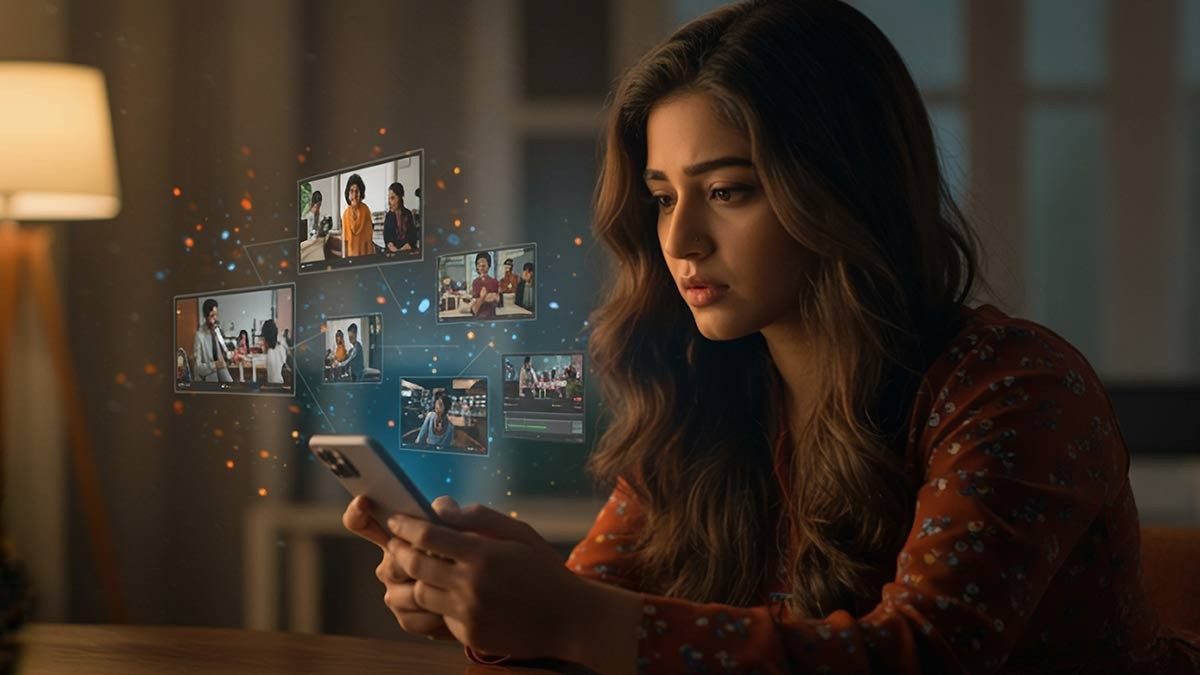
A teenager with a smartphone can build an audience of millions. A podcast recorded from a bedroom can reach listeners across continents. A video creator can influence global trends without ever appearing on television.
This transformation has created what many analysts now call the creator economy.
In this new system, individuals build businesses around their personal content, expertise, and influence.
And influence itself is becoming one of the most valuable forms of economic capital in the digital world.
The Rise of Independent Creators
Social media platforms have removed many of the barriers that once controlled media exposure.
Video platforms allow anyone to publish content instantly. Social networks distribute posts across global audiences. Streaming platforms host podcasts and live broadcasts with minimal technical requirements.
These tools turned millions of users into potential creators.
Some share educational content. Others produce entertainment, commentary, tutorials, or lifestyle content.
Most creators begin with small audiences.
But when content resonates, audiences grow quickly.
Over time these audiences form communities.
And communities create economic opportunities.
Attention Is the Foundation of the Creator Economy
At its core, the creator economy is built on a simple principle.
Attention creates value.
Platforms such as social networks and video sites generate revenue through advertising and user engagement.
Creators who attract large audiences become valuable partners within that ecosystem.
Their content keeps users active on the platform.
In return, creators gain visibility, influence, and monetization opportunities.
These opportunities may include advertising revenue, sponsorship agreements, or platform incentive programs.
But for many creators, these early revenue sources are only the beginning.
Creators Are Building Their Own Businesses
As audiences grow, many creators move beyond advertising income.
They begin building businesses connected to their personal brand.
Some launch merchandise lines featuring clothing or accessories associated with their content.
Others develop educational courses, consulting services, or membership communities.
Podcast hosts publish books. Video creators introduce product lines. Influencers launch skincare brands or fitness programs.
The creator becomes both the media channel and the entrepreneur.
This combination creates a powerful economic model.
Instead of relying entirely on platform algorithms or advertising rates, creators diversify their income streams.
Social Platforms Provide the Infrastructure
The expansion of the creator economy depends heavily on the infrastructure provided by digital platforms.
Social media networks distribute content widely and connect creators with audiences.
Video platforms offer monetization programs. Membership platforms allow creators to build subscription-based communities.
Payment systems make it easier for fans to support creators directly through donations or subscriptions.
These tools reduce the friction between creators and audiences.
Creators can focus on producing content while platforms handle distribution and payment processing.
Authenticity Drives Audience Loyalty
One of the most important characteristics of successful creators is authenticity.
Traditional celebrity culture often involved carefully managed public images.
Creators, by contrast, often share personal experiences, opinions, and behind-the-scenes moments with their audiences.
This transparency builds trust.
Followers feel as though they know the creator personally.
When creators recommend products or launch businesses, their audiences often respond because the relationship feels genuine.
Authenticity becomes a competitive advantage.
The Creator Economy Is Expanding Rapidly
What began as a niche trend has grown into a major segment of the digital economy.
Millions of individuals now earn income through online content creation.
Some operate as full-time entrepreneurs. Others treat content creation as a secondary income source.
Large companies are also adapting.
Brands collaborate with creators to reach targeted audiences. Influencer marketing has become a significant part of modern advertising strategies.
Instead of relying solely on traditional media campaigns, companies partner with creators whose audiences align with their products.
This approach often feels more relatable to consumers.
The Role of Platforms Is Evolving
While social platforms helped create the creator economy, the relationship between creators and platforms continues evolving.
Algorithms determine which content receives visibility. Changes in platform policies can influence how creators earn income.
For this reason many creators are exploring ways to maintain greater independence.
Email newsletters, private communities, and independent websites allow creators to communicate directly with audiences without relying entirely on social networks.
Diversification reduces risk.
If one platform changes its algorithm or policies, creators can still reach their audience through other channels.
Celebrity and Creator Economies Are Merging
Interestingly, the line between traditional celebrities and digital creators is beginning to blur.
Many actors, musicians, and athletes now use social media platforms to communicate directly with fans.
At the same time, successful creators often reach levels of fame comparable to traditional celebrities.
Both groups rely on audience attention.
Both groups monetize that attention through products, partnerships, and media content.
The difference lies mainly in how the audience relationship was built.
Celebrities often gained recognition through traditional media. Creators typically built audiences directly online.
But economically, the two models are becoming increasingly similar.
Challenges Facing Creators
Despite its opportunities, the creator economy also presents challenges.
Building an audience requires consistent effort. Algorithms can be unpredictable. Content creation often demands constant production to maintain visibility.
Income may fluctuate depending on audience engagement or platform policies.
Creators must also balance creative freedom with audience expectations.
Producing content regularly while maintaining originality can be difficult over long periods.
Successful creators often treat their work like a business.
They build teams, schedule production processes, and develop long-term strategies.
The Future of the Creator Economy
Looking ahead, the creator economy will likely continue expanding.
New technologies such as artificial intelligence tools are helping creators produce content more efficiently.
Virtual and augmented reality platforms may introduce entirely new forms of digital interaction.
Education, entertainment, and commerce will increasingly intersect within creator-driven ecosystems.
Some creators may evolve into media companies.
Others will focus on niche expertise and smaller but highly engaged communities.
What remains constant is the importance of audience relationships.
Influence as Economic Capital
The most significant insight from the creator economy is this.
Influence has become a form of capital.
Just as businesses once relied on factories or physical assets, creators rely on audiences and attention.
An engaged audience can support multiple business models.
Advertising, subscriptions, products, educational services, or live experiences.
Creators who understand this dynamic can transform personal influence into sustainable businesses.
A New Structure for Media and Business
The creator economy represents more than a shift in entertainment.
It signals a broader change in how media and entrepreneurship intersect.
Individuals can now build global audiences without traditional gatekeepers.
They can monetize knowledge, creativity, or personality through digital platforms.
This transformation democratizes opportunity.
While not every creator will achieve massive success, the possibility itself reshapes how people think about careers, media, and entrepreneurship.
The digital world has opened new pathways.
And in that world, influence is becoming one of the most powerful currencies available.