Not long ago, homes and workplaces served clearly separate purposes.
Offices existed for professional tasks. Homes provided rest, family life, and personal time.
For millions of people, that boundary no longer exists.
Remote work and hybrid work models have fundamentally reshaped how people use their homes.
Kitchen tables became temporary desks. Bedrooms turned into video conference studios. Living rooms sometimes functioned as collaborative spaces for digital meetings.
While these changes began rapidly during the global pandemic period, they have continued evolving even as traditional workplaces reopen.
Homes are no longer purely residential spaces.
They have become hybrid environments that support both living and working.
The Rise of Remote Work
Remote work existed before 2020, but it was relatively uncommon.
Most companies relied on centralized offices where employees collaborated in person.
The global health crisis forced businesses to experiment with remote work at unprecedented scale.
Digital communication tools allowed teams to continue operating from home.
Video conferencing platforms replaced meeting rooms. Cloud software allowed employees to access documents from anywhere.
For many organizations, remote work proved more feasible than expected.
As a result, hybrid work models emerged.
Employees now divide their time between office locations and home workspaces.
Homes Were Not Designed for Work
Traditional homes rarely included dedicated office spaces.
Apartments and houses prioritized living rooms, kitchens, and bedrooms rather than professional work areas.
When remote work suddenly expanded, many households had to improvise.
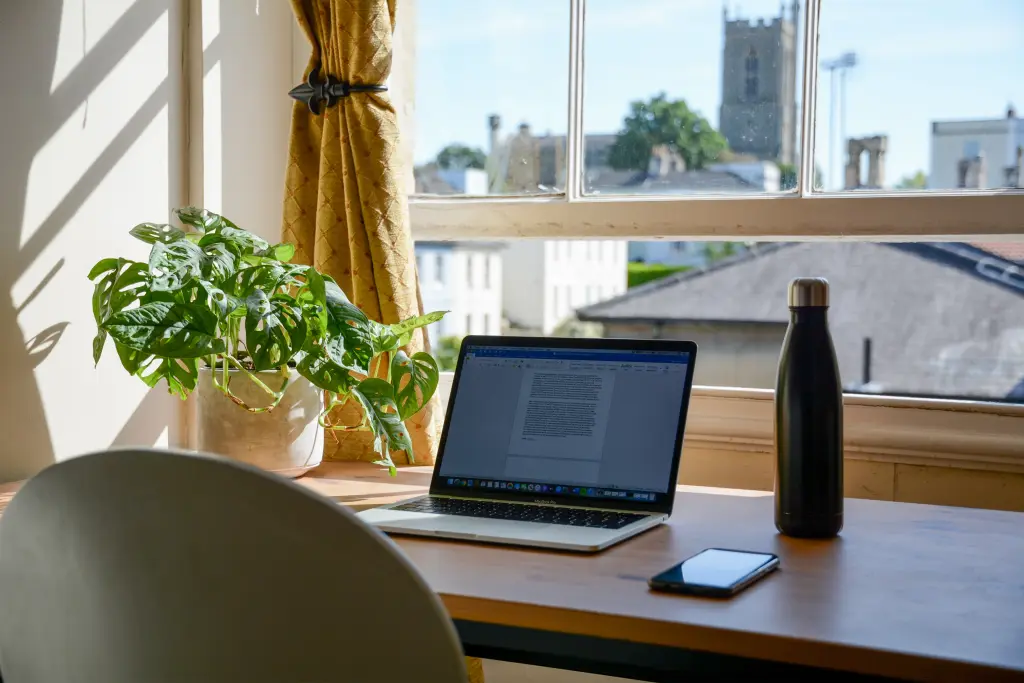
Dining tables became desks. Laptops shared space with household activities.
Over time, however, people began redesigning their homes to support work more effectively.
Spare rooms transformed into offices. Furniture companies introduced ergonomic home office products.
Interior design began adapting to the new reality of hybrid living.
The Psychology of Work Environments
The environment in which people work influences productivity and mental wellbeing.
Lighting, noise levels, and physical comfort affect concentration.
In office settings, companies often invest heavily in workspace design.
When work moved into homes, individuals had to consider these factors themselves.
Natural light, comfortable seating, and quiet environments became important elements of home workspaces.
Some households established clear boundaries between work zones and relaxation areas to maintain work-life balance.
Technology Supports Hybrid Work
Modern technology enables homes to function as professional workspaces.
High-speed internet connections allow seamless video communication.
Cloud-based software platforms support collaboration across distributed teams.
Wireless devices and portable laptops make it easier to create flexible work environments.
Smart home technologies also support productivity.
Noise-canceling headphones, lighting control systems, and environmental adjustments help individuals maintain comfortable work conditions.
Technology effectively bridges the gap between office infrastructure and residential environments.
Real Estate Is Responding
The rise of hybrid work has influenced housing markets.
Homebuyers increasingly prioritize properties with dedicated office spaces.
Apartments with flexible layouts attract professionals who work remotely.
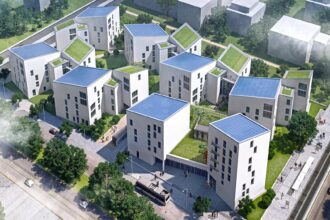
Developers are also incorporating coworking areas within residential buildings.
These shared spaces allow residents to work outside their apartments while remaining close to home.
Real estate design is gradually adapting to a workforce that no longer spends every day in centralized offices.
Work-Life Boundaries Are Evolving
One challenge of hybrid home workspaces involves maintaining clear boundaries between professional and personal life.
When work occurs inside the home, it can be difficult to disconnect from professional responsibilities.
Some individuals establish routines to maintain balance.
Designating specific work hours, creating physical workspace boundaries, and limiting after-hours communication can help maintain separation between work and personal time.
These practices help individuals adapt to the hybrid lifestyle.
The Future of Home Workspaces
Hybrid work appears likely to remain part of the modern employment landscape.
Companies recognize that flexible work arrangements can improve employee satisfaction while reducing office costs.
Employees appreciate the ability to work from home for part of the week.
As a result, homes will likely continue evolving as multifunctional spaces.
Future residential design may incorporate dedicated office rooms as standard features.
Furniture, lighting, and architectural layouts will reflect the growing importance of home work environments.
The home is no longer simply where people live.
It is increasingly where they create, collaborate, and contribute professionally.