
Fashion still likes to present itself as an art.
Runway shows, dramatic lighting, designers walking out to applause while photographers capture every angle. It looks creative and glamorous from the outside.
But step away from the runway and into the offices where decisions actually happen, and the atmosphere looks very different.
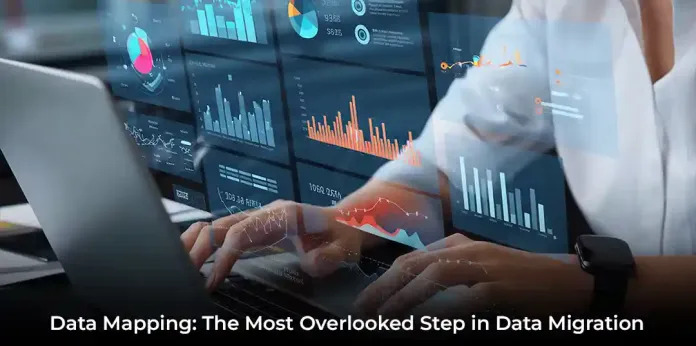
Large screens. Analytics dashboards. Product performance charts.
Fashion is slowly transforming into something few people expected.
A data-driven industry.
The Old System Was Built on Guessing
For most of the twentieth century, fashion worked on predictions.
Designers imagined what people might want months in the future. Retail buyers placed huge orders before a season even started.
Sometimes those predictions worked beautifully.
Other times they produced a familiar sight: racks of clothing heavily discounted because no one wanted them.
That uncertainty was once considered normal.
But the retail environment has changed dramatically.
Competition is global, production costs are rising, and brands can no longer afford to rely purely on instinct.
The Internet Changed the Flow of Information
Online shopping platforms created something the fashion industry never had before.
Massive amounts of customer behavior data.
Retailers can now see what people search for, what they click, how long they look at an item, and whether they eventually buy it.
Multiply that information across millions of shoppers and patterns begin to appear.
Fashion brands monitor these patterns closely.
If thousands of people suddenly start searching for oversized jackets, linen shirts, or a particular shade of green, the signal becomes impossible to ignore.
Companies that detect these signals early gain a powerful advantage.
They produce the right items before competitors even realize a trend exists.
Social Media Speeds Up Fashion Cycles
Another major force shaping modern fashion is social media.
Platforms like Instagram and TikTok have changed how trends appear.
A single outfit worn by a celebrity or influencer can trigger global interest within hours.
Search traffic rises. Retailers notice. Production teams start preparing new items almost immediately.
What once took months now happens in weeks.
Fashion cycles have become faster than ever.
Brands that cannot move quickly risk falling behind.
Supply Chains Are Becoming More Flexible
Responding quickly to trends requires major changes behind the scenes.
Traditional fashion supply chains were slow. Factories produced large quantities of garments months in advance.
Today many brands operate differently.
They produce smaller batches and adjust production based on real-time demand signals.
If an item sells quickly, factories increase output.
If demand fades, production slows.
This flexibility helps companies avoid one of fashion’s biggest historical problems: overproduction.
Artificial Intelligence Is Entering Fashion Design
Artificial intelligence is also starting to influence fashion decisions.
Machine learning systems analyze historical sales data and consumer behavior patterns.
These systems can identify subtle signals that suggest emerging trends.
For example, algorithms might notice increasing interest in certain fabrics, silhouettes, or colors.
Designers still guide the creative process, but they increasingly work with data insights.
Creativity remains essential.
But now it operates alongside analytics.
Fashion Is Becoming an Intelligence System
When you step back and look at the industry today, fashion resembles something closer to a technology company.
Clothing remains the product.
But information is what drives decisions.
Data guides design choices. Analytics shape inventory strategies. Algorithms detect trends before humans notice them.
Fashion may still appear glamorous on the surface.
Underneath, it has become a system powered by insight.