There was a time when fashion felt like it came from above.
Designers created. Magazines approved. Runways dictated. Consumers followed.
If you wanted to understand what people would wear next season, you looked at Paris or Milan. That was the system. Structured, hierarchical, predictable in its own way.
Streetwear didn’t enter that system politely. It didn’t ask for permission either. It grew outside of it, somewhere between skate parks, music scenes, basketball courts, and city streets where fashion wasn’t curated, it was lived.
And now, somewhere along the way, that outside movement didn’t just join the system.
It replaced it.
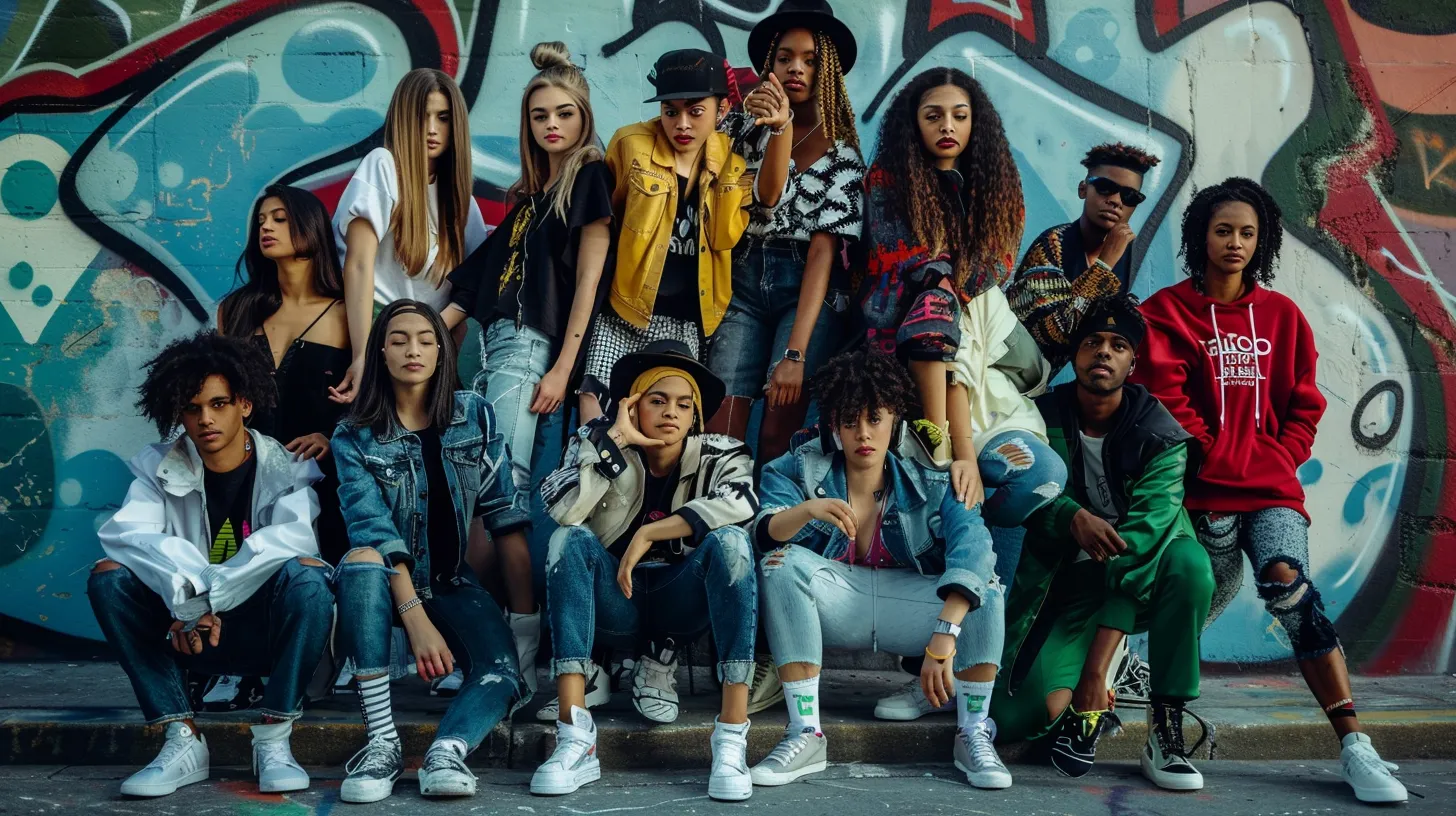
Today, if you want to understand youth fashion trends, you don’t start with luxury runways. You start with streetwear youth culture. Because that’s where the signals originate now.
Streetwear Was Never About Clothing First
If you strip streetwear down to its early roots, it was never just about what people wore.
It was about where they came from.
In cities like New York, Los Angeles, and Tokyo, streetwear grew out of subcultures that had their own identities long before fashion brands paid attention. Skateboarding, hip-hop, graffiti, underground music scenes. These weren’t fashion movements. They were ways of life.
Clothing became a byproduct of those lifestyles.
Loose silhouettes weren’t designed for aesthetics, they were practical. Sneakers weren’t collectibles, they were tools. Logos weren’t branding exercises, they were symbols of belonging.
This is where streetwear culture influence starts to make sense.
Because when fashion grows out of lived experience, it carries something deeper than design.
It carries meaning.
The Shift From Runway to Street
At some point, something flipped.
Luxury brands used to dictate trends, and street culture reacted. But over time, streetwear started generating its own momentum.
Music played a huge role in this shift.
Hip-hop artists, in particular, began shaping fashion choices in ways that traditional fashion institutions couldn’t control. What an artist wore in a music video or on stage often had more influence than a runway show.
Then came social media.
And everything accelerated.
Platforms like Instagram and later TikTok removed the distance between creator and audience. Trends didn’t need approval anymore. They just needed visibility.
Streetwear became visible everywhere.
And once it became visible, it became dominant.
The Rise of Sneakers as Cultural Currency
You can’t talk about streetwear fashion trends without talking about sneakers.
Because sneakers are where streetwear turned into an economy.
Limited releases, collaborations, resale markets. What started as functional footwear became something closer to cultural currency.
Owning a certain pair of sneakers meant something. It signaled awareness, access, sometimes even status.
The resale market exploded alongside this.
Platforms dedicated to buying and selling sneakers turned streetwear into a tradable asset class. Prices fluctuated based on demand, scarcity, and cultural relevance.
This wasn’t just fashion anymore.
It was a market.
And youth culture understood it instinctively.
Streetwear and the Psychology of Belonging
One reason streetwear youth culture resonates so deeply is because it solves a basic human need.
Belonging.
But not in the traditional sense.
Streetwear doesn’t ask you to fit into a rigid category. It allows for micro-identities. You can belong to multiple subcultures at once.
A person can mix skate influences with luxury pieces. Combine vintage elements with modern silhouettes. Wear something that references a niche online community while still being part of a broader trend.
This flexibility is important.
Because modern identity is fragmented.
People don’t define themselves through a single label anymore. Streetwear reflects that reality.
Luxury Didn’t Ignore Streetwear. It Absorbed It
At first, luxury fashion resisted streetwear.
It didn’t align with traditional ideas of elegance or craftsmanship. It was too informal, too unpredictable, too connected to subcultures that luxury brands didn’t fully understand.
But ignoring it wasn’t sustainable.
Streetwear was growing too fast.
So luxury did something strategic.
It adapted.
Collaborations between luxury brands and streetwear designers started appearing. Sneakers entered luxury collections. Hoodies and oversized silhouettes showed up on runways.
This wasn’t a takeover.
It was an integration.
Luxury brands didn’t abandon their identity, but they expanded it to include elements of streetwear.
And in doing so, they stayed relevant.
The Role of TikTok in Trend Acceleration
If Instagram amplified streetwear, TikTok accelerated it to another level.
The platform’s algorithm doesn’t prioritize status. It prioritizes engagement. That means a teenager experimenting with style in their bedroom can influence global fashion trends if the content resonates.
This has changed how trends emerge.
They are no longer filtered through traditional gatekeepers. They appear suddenly, spread rapidly, and evolve in real time.
Streetwear thrives in this environment because it is inherently adaptable.
It doesn’t require formal structure.
It responds quickly.
And youth culture moves at the same speed.
Dupes, Replicas, and Accessibility
Another layer of modern streetwear culture is the rise of dupes and accessible alternatives.
Not everyone can afford high-end streetwear pieces, especially limited releases or luxury collaborations. But the desire to participate in the culture remains strong.
This is where the idea of “dupes” enters.
Products that resemble high-demand items without being exact counterfeits. More affordable, more accessible, but still visually aligned with current trends.
This dynamic reflects a broader shift.
Streetwear is no longer just about exclusivity. It’s about participation.
And participation doesn’t always require authenticity in the traditional sense.
Streetwear as a Global Language
What started in specific cities has now become global.
Streetwear youth culture exists in Seoul, London, Mumbai, Lagos, São Paulo. Each region interprets it differently, adding local influences while maintaining core elements.
This global spread is significant.
Because it turns streetwear into a shared language.
People from different backgrounds can connect through similar styles, even if their cultural contexts differ.
Fashion becomes a point of communication.
The Blurring of Gender Norms
Streetwear has also played a role in shifting how fashion approaches gender.
Traditional fashion often separated clothing into clear categories. Streetwear blurred those lines.
Oversized fits, neutral color palettes, and flexible styling made it easier for individuals to wear what felt comfortable rather than what was prescribed.
This shift aligns with broader cultural changes around identity.
Streetwear didn’t lead that change entirely, but it supported it in a visible way.
The Commercialization Problem
There’s one tension that continues to exist within streetwear.
Commercialization.
As brands recognize the economic value of streetwear, they attempt to replicate it. But replication often lacks authenticity.
When streetwear becomes too polished, too mass-produced, it risks losing the raw energy that made it appealing in the first place.
Youth culture is sensitive to this.
It moves away from anything that feels forced.
This creates a constant cycle where brands try to capture streetwear, and streetwear evolves to stay ahead.
The Future of Streetwear
Looking forward, streetwear is unlikely to disappear.
But it will continue to change.
It may become less about specific items and more about attitude. Less about brands and more about expression.
Technology will influence it further. Digital fashion, virtual identities, AI-generated designs. These elements are already starting to appear.
But the core will remain.
Streetwear is not just fashion.
It is a reflection of how young people see themselves and the world around them.
Final Thought
Streetwear didn’t become dominant because it was designed to.
It became dominant because it was real.
It came from places where people weren’t trying to create fashion.
They were just living.
And when that reality entered the fashion system, it didn’t adapt to the rules.
It changed them.