Funny thing about homes. For years most of us treated them like weekend projects.
Paint the walls when the color feels tired. Swap the fridge when it finally gives up the ghost. Maybe redo the kitchen if the budget allows and the cabinets start looking like they belong in a museum.
And cleaning? Well, that was just… cleaning. Something you did because crumbs appear, dust gathers, life happens.
Nobody really framed it as strategy.
Yet lately, something subtle has shifted. Not dramatically. No big announcement. Just a slow realization creeping into how people think about their living spaces.
A house isn’t just a place where you sleep and store your stuff. It’s starting to behave more like a system. One that influences health, concentration, energy bills, and even long-term financial stability.
Sounds a bit grand for a building, I know. But stick with the thought.
Because once you look at a homethat way, even ordinary chores begin to look different.
Cleaning stops being cosmetic. Maintenance stops being optional. Small improvements start to resemble… well, investments.
The Quiet Cost of Neglect
Here’s something homeowners rarely notice until it’s too late: houses accumulate hidden costs.
Not in the dramatic sense like a roof collapsing. No, the real trouble usually sneaks in quietly.
Dust floating through vents. A filter that should’ve been replaced months ago. Moisture hiding behind a wall where airflow never quite reaches.
Individually, none of these things seem urgent.
But over time they stack up.
Air quality worsens. Heating systems work harder than they should. Allergies start acting up for no obvious reason. Energy bills creep upward like a slow tide.
The house, in other words, becomes inefficient.
Think of it like running a car without changing the oil. For a while everything seems fine. Then one day the engine starts complaining. Loudly.
Property managers in commercial buildings figured this out years ago. Office towers run on tight maintenance schedules precisely because neglect becomes expensive, fast.
Homeowners are only now beginning to adopt the same mindset.
Prevent the problem early and life stays simple.
Ignore it and, well… things get messy.
Indoor Air Isn’t Always the Safe Option
Most people assume pollution lives outdoors.
Smoggy city air, car exhaust, factory smoke. That’s where the danger sits, right?
Not necessarily.
Research from groups like the World Health Organization and the United States Environmental Protection Agency suggests indoor air can sometimes contain even higher concentrations of certain pollutants.
Surprising, maybe. But once you think about it, it makes sense.
Modern homes are sealed tightly for energy efficiency. Windows don’t leak air the way older ones did. Insulation traps heat during winter and cool air in summer.
Great for energy savings.
Not always great for ventilation.
Dust mites. Cooking fumes. Chemical residues from cleaning sprays. Pet hair drifting through the living room like tiny tumbleweeds. It all hangs around longer than people expect.
And ventilation systems? They circulate that same air repeatedly.
So yes, homes may look spotless while the air itself quietly carries a cocktail of microscopic particles.
That realization explains why air purifiers, improved filtration systems, and smarter ventilation designs are becoming surprisingly popular upgrades.
Clean isn’t just visual anymore.
It’s environmental.
Technology Is Quietly Doing the Chores
Not long ago cleaning meant elbow grease. Vacuum, mop, wipe, repeat.
Now technology is creeping into the routine.
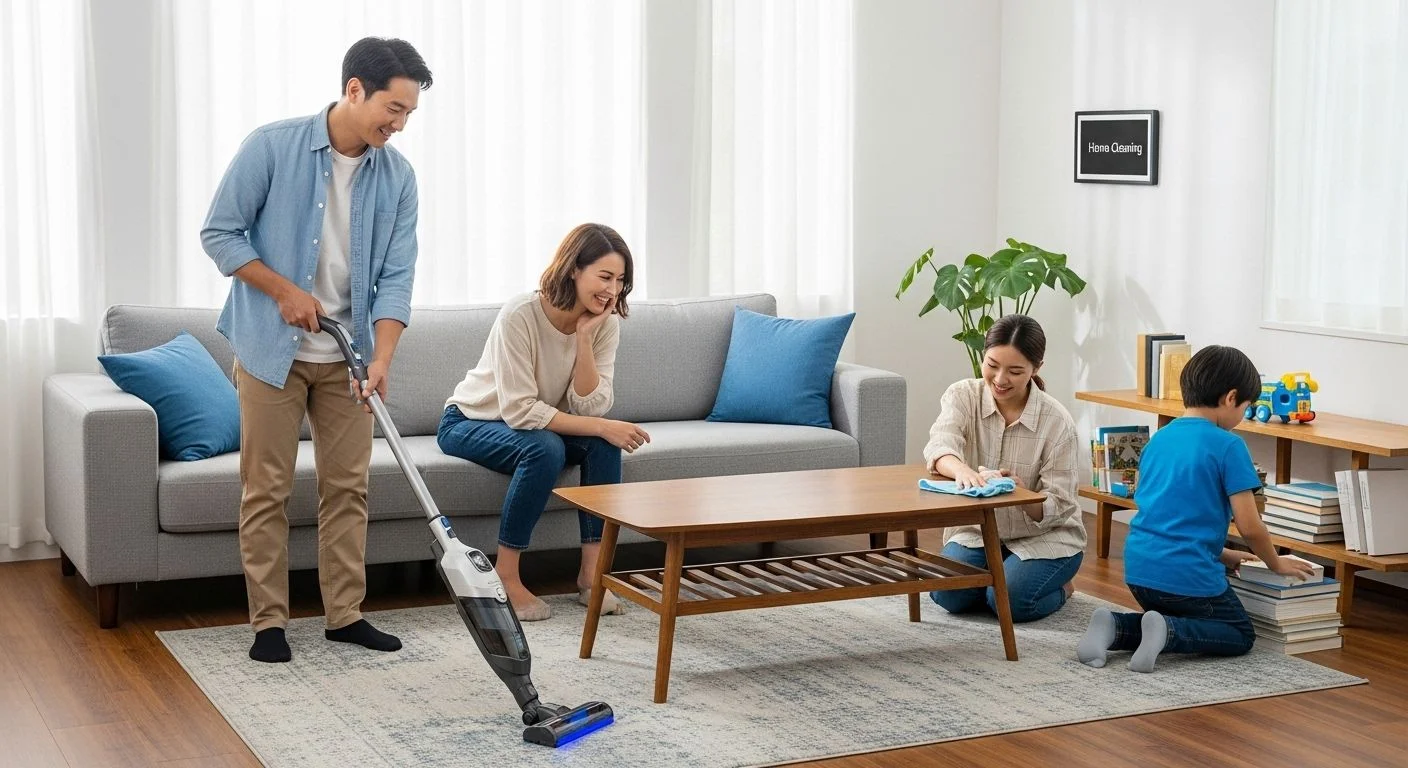
Robotic vacuum cleaners roam living rooms like polite little house guests, mapping out floor plans and returning to their charging stations when the job is done. Early versions were clumsy. These days some of them practically know your furniture better than you do.
Robotic mops followed soon after.
Smart appliances schedule themselves.
You might laugh at the idea of a vacuum with Wi-Fi, but the real advantage isn’t novelty. It’s consistency.
People skip chores. Machines don’t.
Run a cleaning cycle every day and dirt never gets the chance to build up. The house stays quietly maintained in the background while life carries on.
Technology isn’t replacing effort entirely.
But it’s smoothing out the routine.
Preventive Maintenance: The Boring Secret That Saves Money
Ask most homeowners when they fix things and you’ll hear the same answer.
“When something breaks.”
That approach feels logical in the moment. Why repair what isn’t broken?
The problem is that many household issues start long before visible damage appears.
A tiny pipe leak. A clogged gutter. A hairline crack in exterior sealing.
Left alone, they grow. Slowly. Then suddenly.
Preventive maintenance flips the logic around. Instead of waiting for trouble, you look for weak spots early.
Servicing HVAC systems once a year. Cleaning gutters before the rainy season. Checking plumbing before leaks begin.
None of this feels exciting.
But it works.
Over time these habits extend the lifespan of expensive home systems by years. Sometimes decades.
Modern technology helps here too. Smart sensors detect water leaks. Thermostats notice when heating systems behave inefficiently. Energy monitors flag appliances that suddenly start drawing too much power.
Maintenance becomes less guesswork and more data.
Energy Efficiency: The Upgrade That Pays You Back
Energy used to be cheap enough that most homeowners barely thought about efficiency.
Not anymore.
Electricity costs fluctuate. Utility bills climb unexpectedly. Suddenly insulation and airflow sound more interesting than they once did.
The irony is that many efficiency improvements are surprisingly simple.
Seal small air leaks around windows. Add insulation in older walls. Replace outdated appliances with modern, energy-efficient versions.
Lighting alone has changed dramatically. LED bulbs consume a fraction of the electricity older incandescent lights needed while lasting far longer.
Each improvement might seem minor.
But stack them together and the savings become noticeable.
A house that wastes less energy is simply cheaper to run.
Why a Clean Space Changes How People Think
There’s another piece to this story that often gets overlooked.
The psychological side.
Anyone who has tried working in a cluttered room knows the feeling. Papers scattered everywhere. Dust on the desk. Half-finished chores staring back at you.
It’s distracting.
Organized environments tend to produce the opposite effect. Clear surfaces. Predictable order. A sense that things are under control.
Environmental psychologists have been studying this connection for years. Many of their findings point in the same direction.
Clean spaces support clearer thinking.
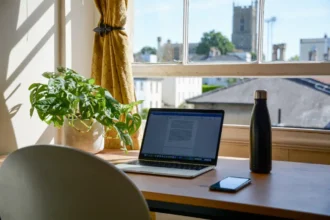
Which partly explains why so many people reevaluated their homes during remote work periods. When your house doubles as an office, its environment suddenly matters a lot more.
A tidy room doesn’t solve every problem, of course.
But it helps.
Cleaning Is Becoming More Sustainable
Another shift is happening quietly inside kitchen cabinets and cleaning closets.
Consumers are paying closer attention to what cleaning products contain.
Traditional chemical cleaners can introduce substances into indoor air or local water systems once they’re washed down drains. That doesn’t mean they’re automatically dangerous, but the environmental footprint has raised concerns.
Manufacturers are responding.
Plant-based formulas. Refillable containers. Reusable cloths instead of disposable wipes.
These changes might seem small, but they reflect a broader movement toward sustainable living.
Even the humble act of wiping down a countertop now carries environmental implications.
Maintenance Protects Property Value
Anyone who has bought or sold property knows how carefully buyers inspect a home.
Fresh paint is nice. But buyers really care about the hidden details.
- Is the plumbing sound?
- Is the ventilation system clean?
- Has the house clearly been maintained over time?
Homes that receive consistent care tend to hold their value better. Buyers trust them.
Neglected houses tell a different story. Hidden problems appear during inspections and suddenly the price starts falling.
Maintenance, in other words, protects investment.
Homes Are Slowly Becoming Living Systems
Step back and look at the broader trend.
Sensors track humidity. Smart thermostats adjust heating automatically. Appliances communicate with each other. Air filtration systems monitor particle levels.
The house is beginning to behave like an ecosystem.
Not a static structure, but an environment that constantly regulates itself.
Traditional renovation projects will always exist. People will still redesign kitchens and replace flooring.
But alongside those upgrades, homes are gaining intelligence.
They monitor. They respond. They adapt.
Small Habits, Big Consequences
In the end the evolution of home improvement comes down to a simple truth.
Small actions accumulate.
Change a filter on time. Fix a leak early. Run the vacuum regularly. Improve insulation when possible.
None of these decisions feel monumental.
But over years they compound into something powerful.
Lower costs. Better health. Greater comfort.
A well-maintained home quietly supports the people living inside it.
And perhaps that’s the real shift happening here.
A house isn’t just shelter anymore.
It’s a system worth managing carefully.