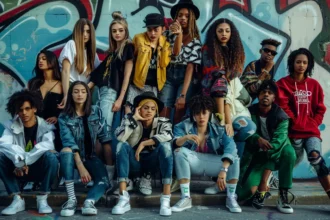
Fashion has always been connected to identity.
People choose clothing to express personality, culture, or belonging.
But identity itself is expanding into digital spaces.
Social media profiles, gaming platforms, and virtual environments are becoming places where people present themselves visually.
And that shift has created a surprising new category.
Digital fashion.
Clothing That Exists Only Online
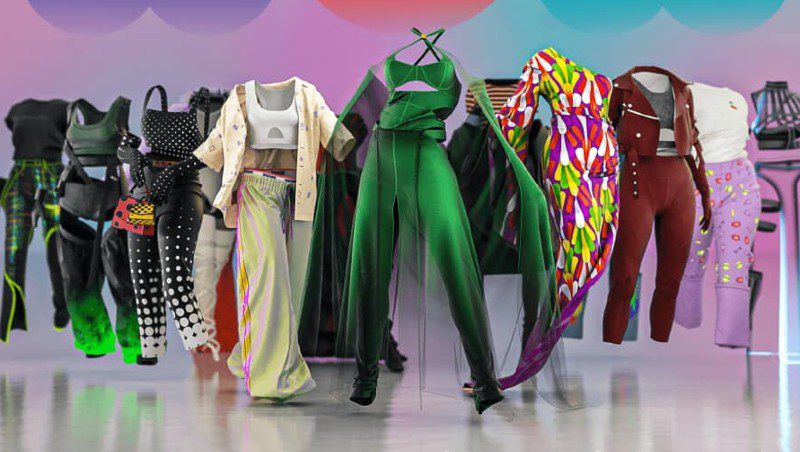
Digital fashion refers to garments designed purely for virtual environments.
These clothes cannot be worn physically.
Instead, they appear on avatars, in digital photographs, or within virtual worlds.
At first the concept sounds unusual.
Why would someone buy clothing that only exists on a screen?
The answer lies in how people now interact online.
A social media profile can function almost like a personal stage. People present curated versions of themselves through photos, videos, and digital experiences.
Virtual clothing becomes another form of expression.
The Influence of Gaming Culture
Gaming platforms played a major role in popularizing digital fashion.
Players have long customized avatars with outfits and accessories. These digital items allow users to represent their style inside virtual environments.
As gaming culture expanded globally, the idea of digital clothing became familiar.
Fashion brands began paying attention.
Collaborations between fashion companies and gaming platforms started appearing. Virtual sneakers, jackets, and accessories entered digital marketplaces.
These products generated real revenue despite having no physical form.
The Economic Advantages of Digital Fashion
Digital garments offer several advantages for fashion companies.
There are no manufacturing costs. No shipping logistics. No inventory storage.
Designers can experiment freely without worrying about production constraints.
If a digital outfit becomes popular, companies can distribute unlimited copies instantly.
Environmental impact is also lower because digital products require no physical materials.
These factors make digital fashion attractive from both economic and sustainability perspectives.
Virtual Worlds Are Expanding
Virtual environments are becoming more sophisticated each year.
Advances in graphics technology, virtual reality, and online platforms allow people to spend more time interacting in digital spaces.
These environments require visual expression.
Just as people choose clothing in the real world, they choose outfits for their digital identities.
Fashion companies recognize that opportunity.
Some brands are creating entire collections specifically for virtual environments.
Designers Are Exploring New Creative Possibilities
Digital fashion allows designers to break physical limitations.
Garments can glow, change colors instantly, or move in ways impossible with traditional fabrics.
This freedom encourages experimentation.
Designers who once worked only with textiles now collaborate with 3D artists and digital engineers.
The result is a new hybrid field that blends fashion with digital design.
Physical and Digital Fashion Will Coexist
Digital fashion will not replace traditional clothing.
People will always need garments for everyday life.
But digital fashion introduces a new dimension to how style works.
A person might own physical clothing for real-world use while also purchasing digital outfits for online identities.
Fashion is expanding into both spaces simultaneously.
A New Chapter for Fashion
The emergence of digital clothing reflects a broader transformation.
Fashion is no longer limited to fabrics and sewing machines.
It now intersects with technology, gaming culture, and online identity.
As digital environments continue to grow, fashion will evolve alongside them.
What began as an experiment is quickly becoming a legitimate industry segment.
And for designers willing to explore new territory, the possibilities are only beginning.