If you spend enough time observing fashion, one realization eventually settles in.
Very little is truly new.
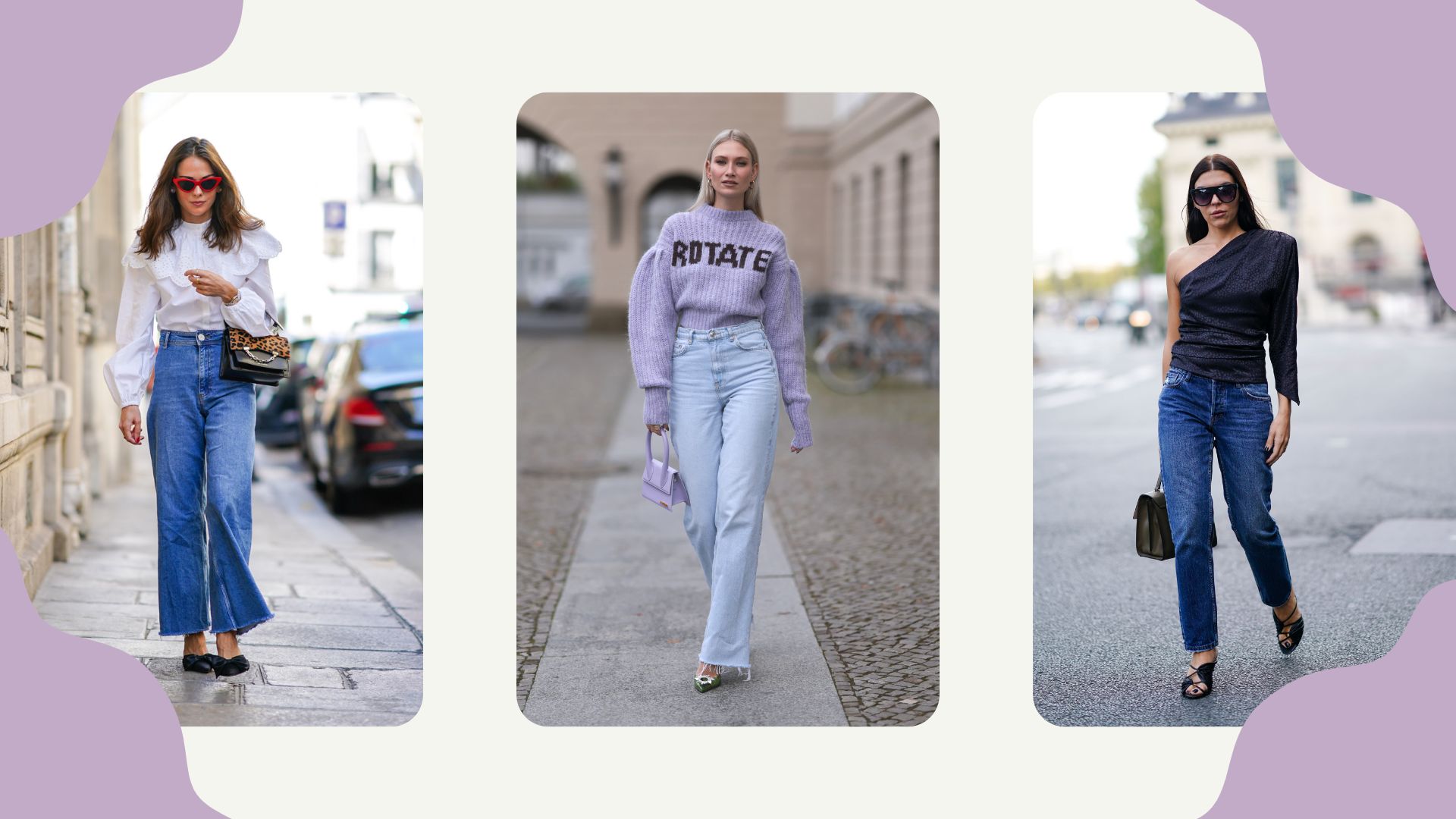
Styles that feel fresh, modern, and even disruptive often turn out to be reinterpretations of something that existed decades earlier. Wide-leg jeans, oversized blazers, vintage sneakers, low-rise silhouettes, and even specific colour palettes have all appeared before in slightly different contexts.
And yet, when they return, they don’t feel outdated. They feel current.
That contradiction is what makes fashion cycles so interesting. Trends disappear, stay dormant, and then reappear with enough cultural force to dominate again. This isn’t random, and it isn’t purely creative. It follows a pattern shaped by generational behaviour, media systems, economic conditions, and the way people relate to time itself.
Understanding why fashion trends come back requires stepping away from the idea of fashion as constant innovation and seeing it instead as a repeating cultural system that continuously reinterprets its own past.
Fashion Moves in Cycles, Not Lines
The idea that fashion constantly progresses forward is appealing, but inaccurate. In reality, fashion behaves more like a loop than a straight line.
Designers, brands, and consumers are all working within a shared archive of styles. That archive includes silhouettes, fabrics, colors, and cultural references that can be reactivated at any time. What changes is not the existence of these elements but the context in which they are used.
A style that feels outdated in one decade can feel relevant in another because the surrounding culture has shifted. The same oversized jacket that once represented rebellion or counterculture might later represent comfort or minimalism, depending on how it is positioned.
Fashion trend cycles emerge from this dynamic. Old ideas are not discarded. They are paused, stored, and eventually reintroduced when cultural conditions align.
The Generational Reset Effect
One of the strongest forces behind fashion revival trends is generational change.
Every generation grows up with a different visual environment. What feels familiar to one group often feels new to another. This creates a natural cycle where styles from the past are rediscovered by people who did not experience them the first time.
For example, trends from the late 1990s and early 2000s have returned strongly in recent years. For millennials, these styles carry nostalgia. For Gen Z, they feel like something new, something distinct from the fashion they grew up seeing.
This generational reset is critical to understanding why trends repeat in fashion. It allows old styles to re-enter the market without feeling redundant. Instead of being seen as recycled, they are interpreted as rediscovered.
The timing of these cycles is not exact, but it often follows a rough pattern of 15 to 25 years, enough time for a new generation to reinterpret what came before.
Nostalgia as a Cultural Driver
Nostalgia plays a powerful role in bringing old fashion trends back.
In periods of uncertainty or rapid change, people often look backward for familiarity. Fashion becomes a way to reconnect with perceived stability, whether that stability is real or imagined.
In the current decade, nostalgia has become especially visible. Social media platforms constantly resurface past aesthetics. Music, film, and digital culture reference earlier eras in ways that make them feel present again.
Fashion responds to this environment.
Vintage-inspired designs, retro silhouettes, and archival reissues are not just stylistic choices. They are emotional ones. They tap into a desire for continuity in a world that feels increasingly fragmented.
This is why retro fashion comeback trends often appear during periods of cultural transition.
The Role of Social Media in Accelerating Cycles
If nostalgia and generational change explain why trends return, social media explains why they return faster.
Platforms like TikTok and Instagram have fundamentally changed how fashion trends spread. A style that might have taken years to gain traction in the past can now reach global visibility within weeks.
More importantly, social media creates a feedback loop.
Users discover old styles, reinterpret them, share them, and amplify them. Algorithms reward engagement, which often favors visually distinct or recognizable aesthetics. Retro styles, by their nature, stand out because they differ from current norms.
This dynamic accelerates fashion trend cycles.
Trends no longer follow slow, predictable timelines. They move quickly, sometimes overlapping with other cycles, creating a layered fashion environment where multiple eras coexist.
The Archive Economy
Another factor influencing fashion revival trends is the growing importance of archives.
Luxury brands, in particular, have extensive design histories. These archives are not static. They are active resources that designers revisit regularly.
Instead of creating entirely new concepts, brands often reinterpret past designs. A bag, a jacket, or a silhouette from decades ago may return with minor adjustments in material or proportion.
This approach serves multiple purposes.
It reinforces brand heritage, which is especially important in luxury markets. It reduces creative risk by building on proven designs. And it aligns with consumer interest in authenticity and storytelling.
The archive becomes a strategic asset.
Economic Cycles and Fashion Behavior
Fashion does not operate independently of economic conditions.
During periods of economic expansion, consumers often experiment more with new styles. During downturns or uncertainty, there is a tendency to return to familiar aesthetics.
This does not mean fashion stops evolving, but it does influence which trends gain traction.
For example, minimalist and classic styles often reappear during uncertain economic periods. These styles signal stability and longevity. At the same time, bold or experimental trends may emerge as forms of escape or self-expression.
The coexistence of these opposing tendencies creates complex fashion cycles.
The Influence of Subcultures
Many fashion trends originate in subcultures before entering mainstream markets.
Streetwear, punk, hip-hop fashion, and skate culture have all influenced global fashion at different points in time. These styles often begin as expressions of identity within specific communities.
Over time, they are adopted by larger audiences, sometimes losing their original context in the process.
When these styles fade from mainstream attention, they often remain active within their original communities. Later, they may be rediscovered and reintroduced to broader audiences.
This process contributes to the cyclical nature of fashion.
The Illusion of Innovation
Fashion is often marketed as an industry driven by innovation, but much of that innovation is iterative rather than revolutionary.
Designers rarely create entirely new forms. Instead, they combine existing elements in new ways.
A silhouette from one era may be paired with materials from another. A color palette may shift slightly. Details may be updated to reflect current tastes.
These changes create the appearance of novelty while maintaining continuity with the past.
This is why fashion trends come back but never exactly as they were.
The Speed Problem
One emerging issue in modern fashion cycles is speed.
Because trends now move faster, they also fade faster. A style can rise quickly, become widespread, and then feel overexposed within a short period.
This creates a compressed cycle.
Instead of lasting several years, some trends now peak within months. This rapid turnover can lead to fatigue, where consumers become less emotionally invested in any single trend.
At the same time, it increases the frequency of revival.
Older styles are reintroduced more often because the system constantly needs something “new,” even if that newness comes from the past.
Sustainability and the Return of Old Trends
There is also a practical dimension to fashion revival.
As sustainability becomes more important, reusing existing designs becomes more appealing.
Vintage clothing, second-hand markets, and resale platforms have grown significantly in recent years. Consumers are more open to wearing items that are not newly produced.
This shift aligns naturally with fashion trend cycles.
When old styles come back, they do not always need to be recreated. They already exist.
This reduces waste and extends the lifecycle of clothing, even if the broader fashion industry still struggles with sustainability challenges.
The Future of Fashion Cycles
Looking ahead, fashion cycles are unlikely to slow down.
If anything, they may become more fragmented.
Different subcultures, platforms, and regions may follow their own cycles simultaneously. What is trending in one space may not align with another.
This creates a decentralized fashion environment.
There is no single dominant trend. Instead, there are multiple overlapping cycles, each driven by different communities and influences.
Final Thought
Fashion does not forget.
It remembers everything, stores it, and brings it back when the moment feels right.
Trends return not because the industry lacks creativity, but because culture itself moves in patterns. People revisit ideas, reinterpret them, and find new meaning in what already exists.
That is why fashion trends come back.
Not as repetition.
But as a reflection.